
The Era of Anti-Fragility: From Redundancy to Intelligence
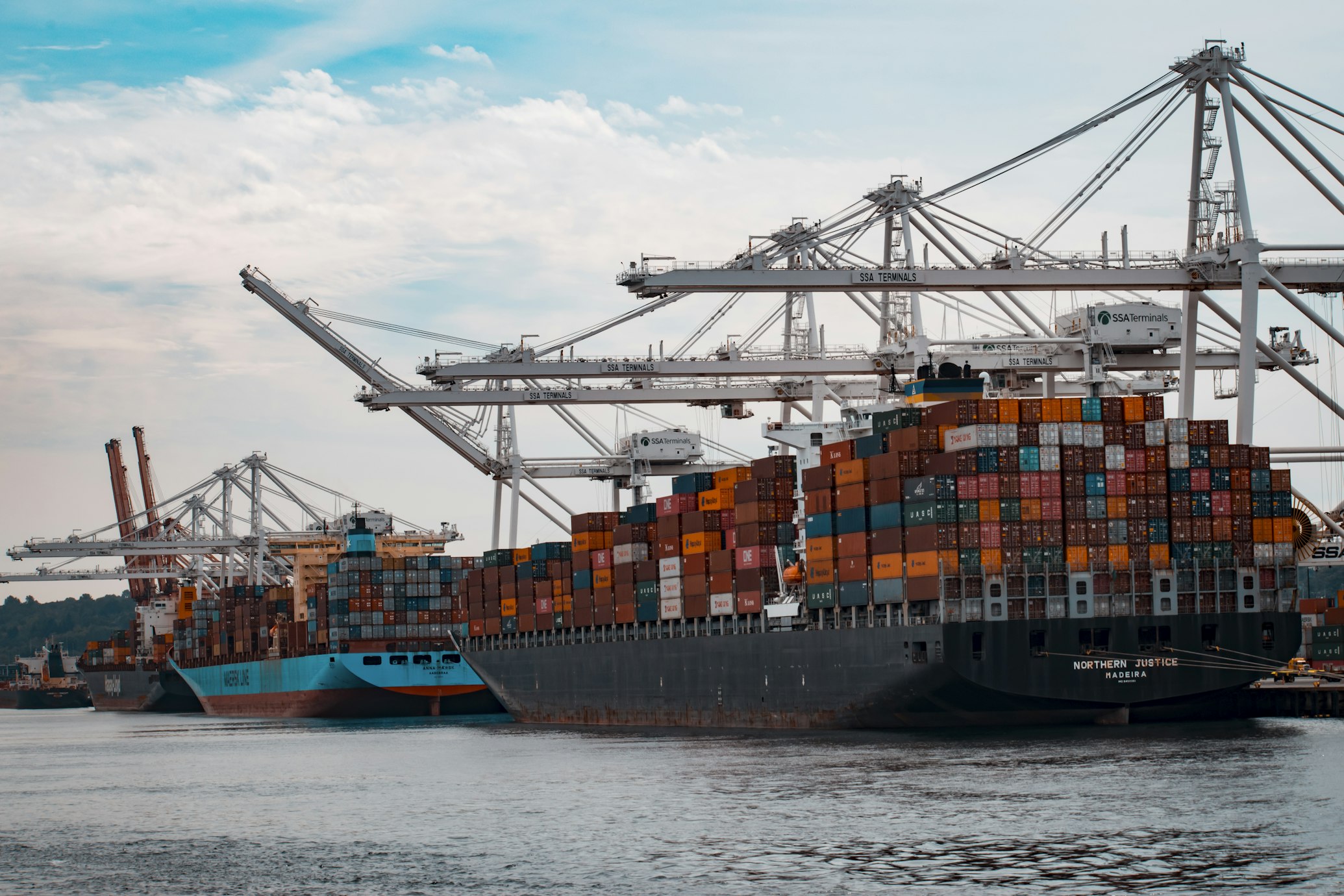
In 2026, supply chain excellence is no longer measured by lean efficiency alone, but by **Anti-Fragility**the ability to not just survive disruptions, but to improve because of them. Geospatial intelligence has become the central nervous system of this transformation, providing the spatial context required to orchestrate complex, global flows of goods.
1. Multi-Tier Visibility: Illuminating the Sub-Tier Blind Spot
Historically, 85% of supply chain disruptions occur at the Tier-3 or Tier-4 supplier level. GlobMaps enables organizations to conduct "Upstream Forensics," mapping the exact physical coordinates of sub-tier providers. By overlaying these locations with real-time risk data (geopolitical, environmental, and infrastructure-related), companies can identify concentration risks months before they lead to shortages.
2. Climate-First Sourcing and Predictive Mapping
As climate volatility becomes the primary driver of disruption, geography is the ultimate proxy for risk. Our platform integrates high-resolution seasonal forecasts with asset-level vulnerability assessments. This allows procurement teams to implement "Climate-First Sourcing," shifting orders away from regions facing imminent water stress or extreme weather events, ensuring continuity for agricultural and manufacturing inputs.
3. Agentic AI and Self-Healing Logistics
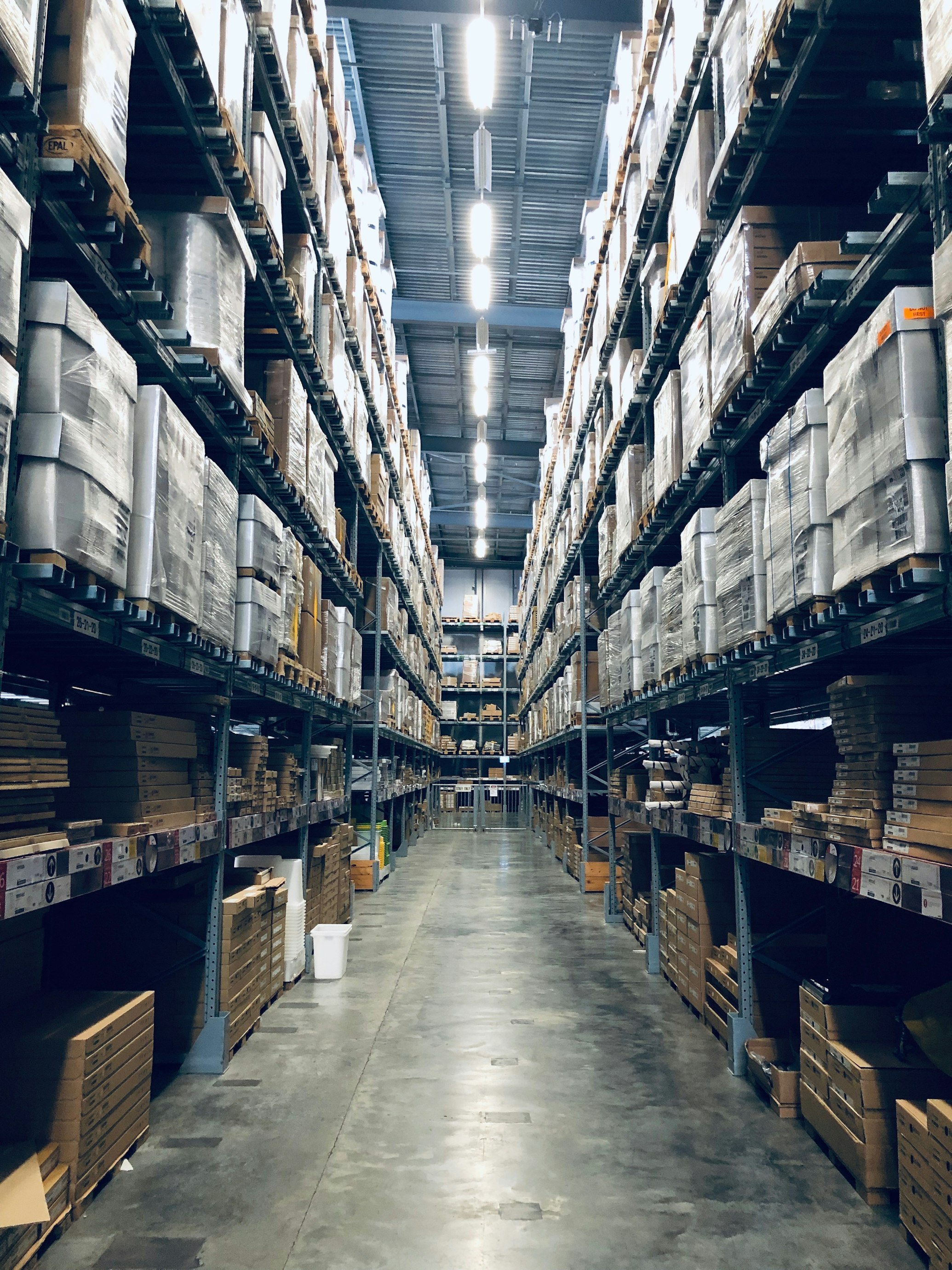
2026 marks the rise of **Agentic AI** in logistics orchestration. These autonomous agents don't just alert managers to a port strike or typhoon; they actively evaluate alternate routes and secondary suppliers in real-time. By connecting geospatial data directly to execution systems, supply chains are becoming "Self-Healing"dynamically reconfiguring routes to maintain service levels while minimizing carbon footprints.
Conclusion: Strategic Sovereignty through Intelligence
In an increasingly fragmented world, supply chain resilience is a matter of strategic sovereignty. At GlobMaps, we provide the planetary intelligence required to build transparent, resilient, and ethical supply chains. By turning spatial data into strategic action, we help organizations ensure that their global networks are built to endure for decades to come.